



.png)
.png)
.svg)

.png)
.png)


.png)


.png)


.svg)


.svg)

When a high performer resigns, an honest analysis of the causes rarely follows. Yet practice consistently reveals the same pattern: it wasn't the salary. It was the feeling of not being seen, not growing, not making an impact. Coaching solves this problem – and Sharpist has demonstrated with companies like Miro, IKEA, and LVMH how this works measurably in practice.
The Topic in a Nutshell
Why High Performers Leave Despite Being Satisfied
The Gallup Engagement Index Germany 2025 reveals an uncomfortable truth: only 10% of employees are highly emotionally committed, even though the vast majority rate their work as satisfactory. For HR decision-makers, this means that employee surveys with positive satisfaction scores are not a reliable early indicator of turnover risk.
High performers are particularly vulnerable to this gap between satisfaction and commitment. They define good work for themselves, are intrinsically motivated, and react sensitively to a lack of development prospects. When growth is absent, they seek it elsewhere – often without warning. Gallup data also shows that 70% of dissatisfaction factors are directly linked to leadership behavior: those without a strengths-oriented manager are eight times less likely to be emotionally committed.
There is also a domino effect: when a top performer leaves the team, further resignations frequently follow. Filling a position incurs costs of up to 150% of the annual salary, and most companies do not track these costs systematically.
What Sets High Performers Apart from Other Employees
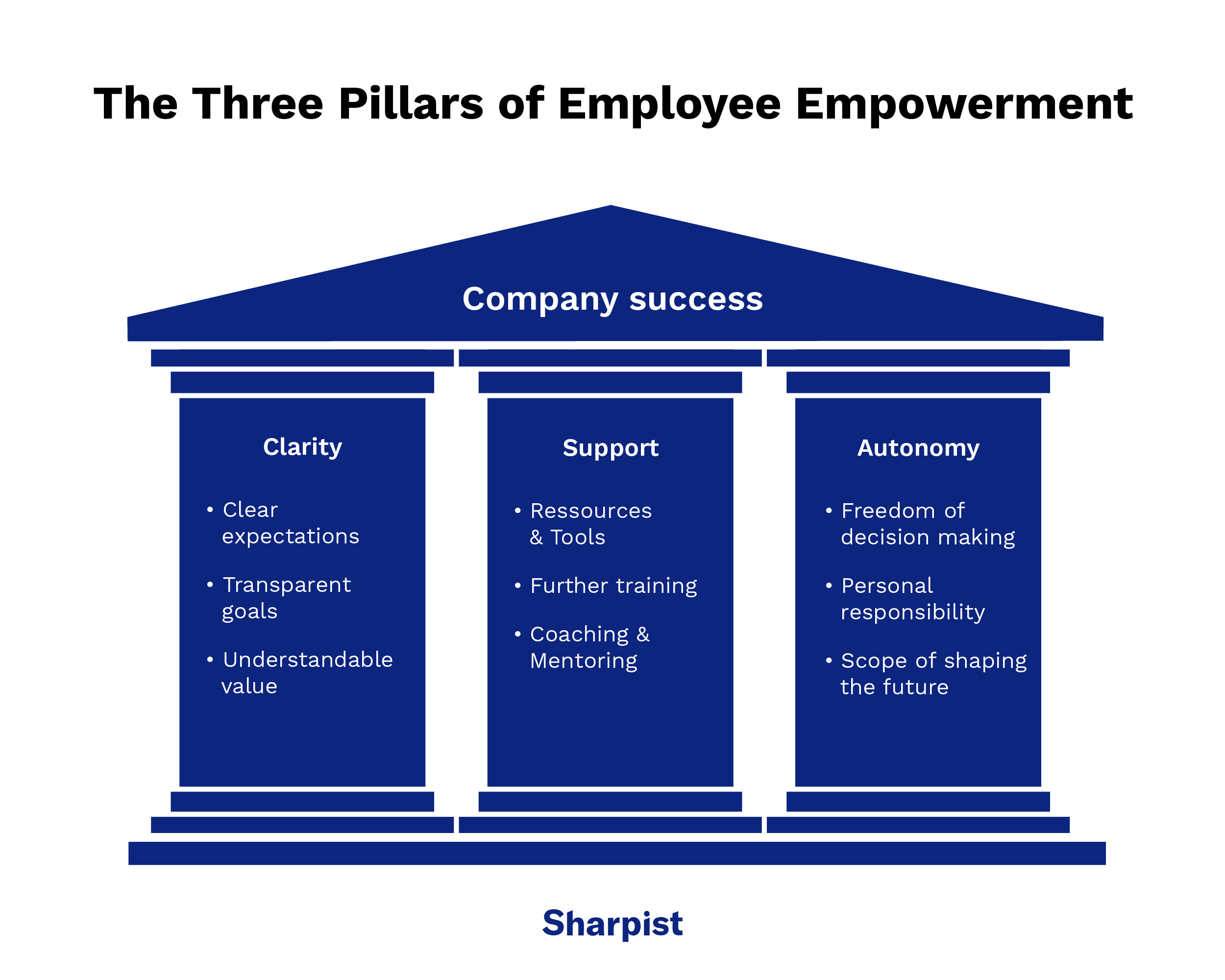
High performers contribute a disproportionate share to organizational success while simultaneously placing the highest demands on their development. A Kienbaum study of over 1,000 talents in the DACH region shows: 95% want to choose the content and formats for their professional development themselves, yet only two-thirds find this option available at their organization. Personal accountability, impact, and community are the three central drivers of talent engagement.
Classical L&D programs reach this group least of all. Standardized training catalogs and mandatory training signal the opposite of individual appreciation. E-learning libraries typically achieve only 10–20% activation – among high performers who allocate their limited time selectively, this figure is even lower. What works is the direct signal: We are investing in you personally.
6 Coaching-Supported Measures for Sustainable Talent Retention
Coaching works – but only when deployed strategically. The following six measures show how organizations can use coaching in a targeted way to retain high performers over the long term.
1. Create Individual Development Paths through 1:1 Coaching
Personalized executive coaching is the most direct form of investment in a high performer. It addresses concrete development topics – from leadership presence and stress management to career planning – and creates a confidential space that no group format can replace. What matters is not just the coach matching: the quality of the relationship between coach and coachee is the strongest factor of impact.
2. Develop Leaders as Strengths Enablers
Employees who experience a clear strengths orientation from their manager are according to Gallup eight times more likely to be highly emotionally committed. Only 30% of respondents report that their manager actually places this focus. Coaching for leaders is therefore not a pure investment in the leader themselves – it is a multiplier measure for all employees on the team. Sharpist clients such as IKEA saw the leadership index rise from 81% to 88% following targeted leadership coaching – measured in the company-wide employee survey, despite turbulent transformation phases.
3. Deploy Coaching at Critical Transition Points
Role transitions, restructurings, and transformations are the moments with the highest turnover risk – and simultaneously the situations in which coaching delivers its strongest retention effect. Miro deployed coaching for 120 culture multipliers following a restructuring with layoffs – entirely voluntary, with an explicit confidentiality guarantee. The result: 100% retention of all participants throughout the entire transformation phase, combined with a 25% increase in optimism regarding the transformation.
A decisive factor was the positioning of the offering: Miro explicitly communicated that career development and even a potential external move were legitimate coaching topics. Precisely because employees had this space, they used it for genuine reflection – and stayed.
4. Use Micro Tasks and AI Coach for Continuous Development
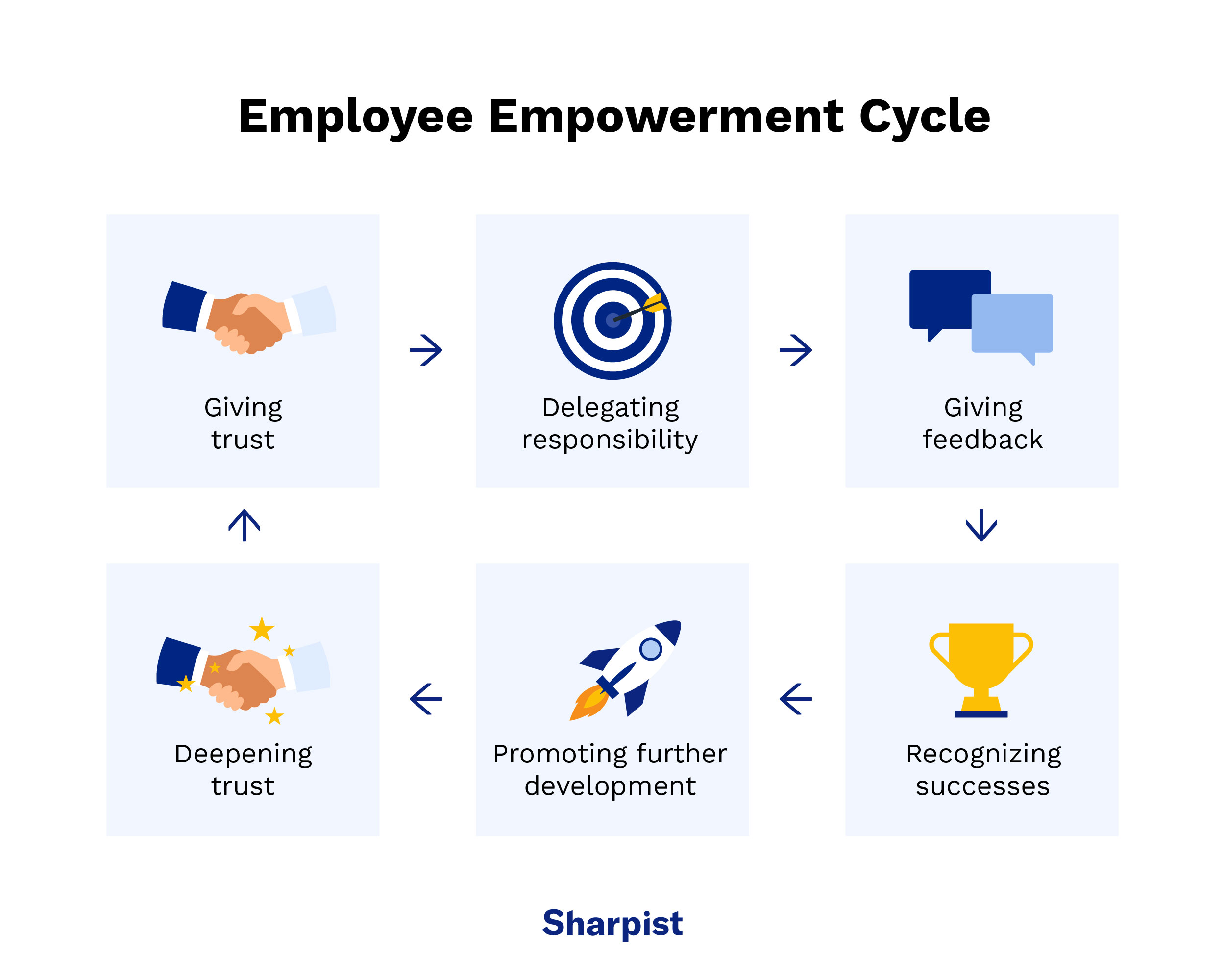
High performers have little time but high expectations. Between coaching sessions, development often stalls – unless targeted learning impulses keep it active. Sharpist's micro tasks library with over 2,000 personalized tasks (maximum 5 minutes per task) demonstrably increases learning efficiency by 20%. In addition, the Sharpist AI Coach is available as a 24/7 reflection partner: for preparing for difficult conversations, decision-making, or career planning. The AI Coach is not a generic chatbot, but a quality-assured instrument built to ICF standards, with five selectable coaching styles and enterprise-grade privacy.
5. Make Coaching Outcomes Measurable
Talent retention through coaching can only be defended internally as an investment when it is translated into business KPIs. Turnover, absenteeism, promotion rates, and engagement scores are the relevant metrics. Sharpist's L&D dashboard delivers real-time analytics with industry benchmarks and enables HR teams to make the ROI of the coaching program transparent – without manual effort. Sam Valentine, Head of Employee Experience at Miro, put the CFO pitch aptly: "If 2–3 key people are retained, the investment has paid for itself."
6. Anchor Coaching as a Scalable Talent Engagement Strategy
Individual coaching conversations do not retain talent. What retains talent is the experience of an organization that continuously invests in one's own development. Breitling achieved an activation rate of 100% over the entire course of a structured coaching program via Sharpist, and an 80% continuous usage rate – because the program was communicated not as an obligation, but as an offering. Not a privilege for leaders, not a measure for poor performance, but an instrument of personal development based on personal accountability.
What Sets Coaching Apart from Other Retention Measures
Many organizations invest first in what is easiest to measure: salary, benefits, and perks. However, these measures address satisfaction, not emotional commitment.
Salary and benefits are hygiene factors: they prevent dissatisfaction but do not create commitment. Coaching addresses precisely the dimension that truly retains high performers: the feeling of being seen, challenged, and supported.
Talent Retention with Sharpist: Scale Coaching Before Key People Resign
Sharpist solves the central problem of talent retention through coaching: individualization and scalability at the same time. With over 1,500 ICF/DBVC-certified coaches in 55+ languages, a 97% matching success rate on the first attempt, and a flexible credit model that redistributes resources according to need across global teams, Sharpist is designed for large organizations with decentralized structures. The L&D dashboard delivers company-wide ROI tracking without manual effort.
Schedule a demo and find out how Sharpist makes talent retention measurable in your organization.
FAQ
Why Isn't a Salary Increase Enough to Retain High Performers?
Salary is a hygiene factor: it eliminates dissatisfaction but does not create emotional commitment. High performers leave organizations primarily because of a lack of development prospects, insufficient strengths orientation from their manager, and the feeling of not being effective. These factors cannot be compensated for through remuneration.
How Can the ROI of Coaching Programs Be Justified Internally?
The ROI can be calculated through turnover costs: every prevented resignation of a key person saves 50–150% of the annual salary in recruitment and onboarding costs. In addition, metrics such as reduced absenteeism, engagement scores, and promotion rates provide solid arguments. Sharpist's L&D dashboard makes these connections visible for HR teams in real time.
From What Organization Size Does a Structured Coaching Program Make Sense?
From approximately 200–300 identified high performers or leaders, a structured, platform-supported program becomes significantly more efficient than manually coordinated individual coaching. Sharpist is designed for organizations with 1,000+ employees and proves its value particularly in companies with decentralized structures and international teams.
How Do You Ensure That High Performers Actually Accept a Coaching Offering?
Positioning is key: coaching must be communicated as an investment instrument, not as a remedy for deficits. Complete confidentiality, voluntary participation, and the explicit message that personal career development is also a legitimate coaching topic significantly increase acceptance. Breitling achieved an activation rate of 100% with this approach via Sharpist.
.avif)






.svg)


%20(1).avif)